The intricate dance between genes and behavior has fascinated scientists, psychologists, and curious minds alike.
As we navigate our daily lives, we often ponder the reasons behind our actions, reactions, and even our inclinations.
Are we merely products of our environment, shaped by our experiences? Or do our genes hold the key to understanding our behaviors? Exploring how genes influence behavior can deepen our understanding of ourselves and the world around us.
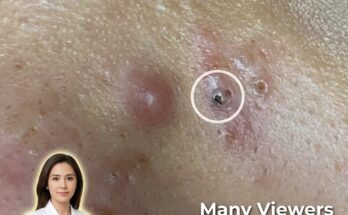
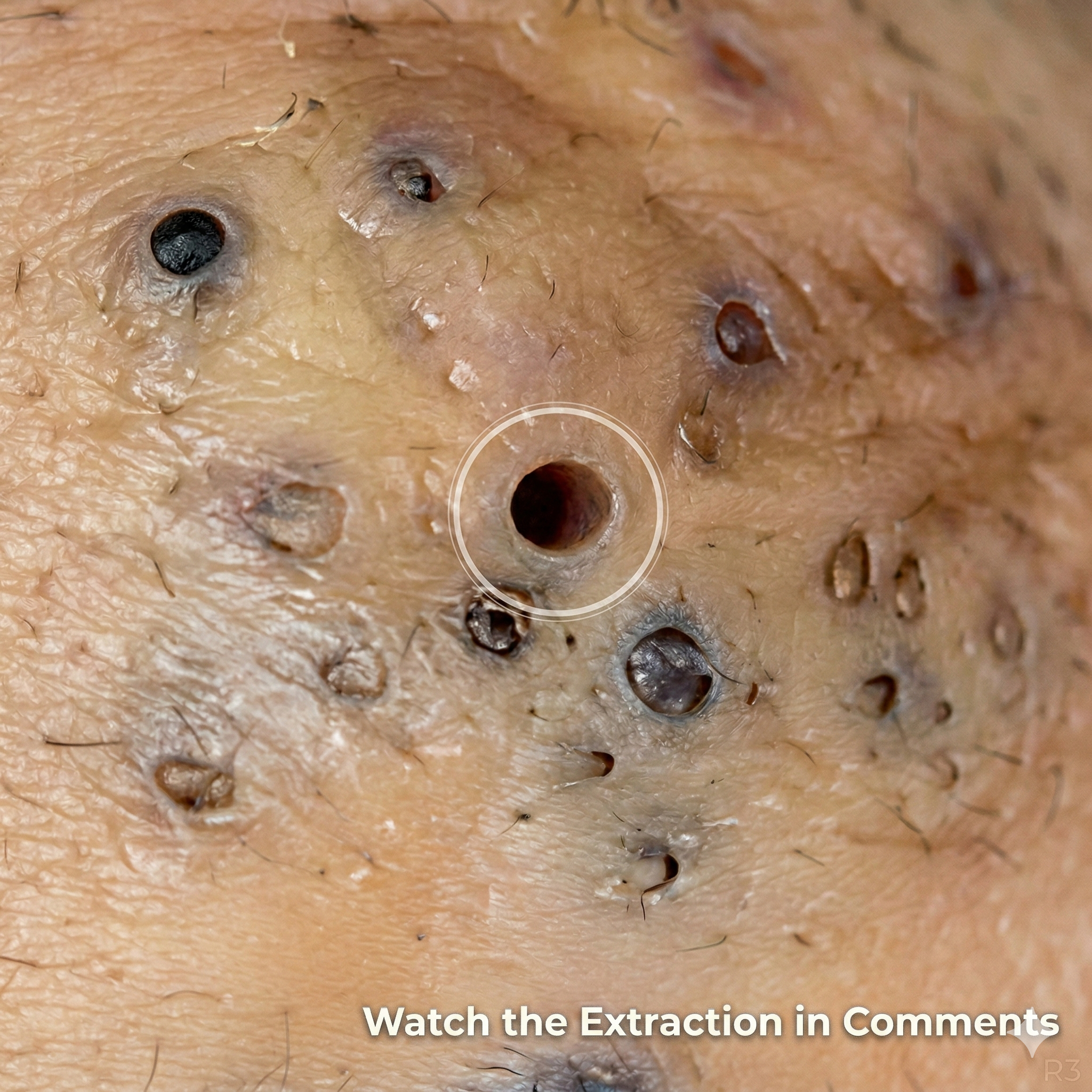
Blackheads, also known as open comedones, develop when excess sebum and dead skin cells accumulate inside a hair follicle and form a plug that remains exposed to air. Oxidation at the surface causes the dark appearance, but the underlying issue is a combination of increased oil production and abnormal follicular keratinization. When blackheads are squeezed or picked, mechanical pressure disrupts the follicular wall and surrounding skin tissue. This trauma can push debris, bacteria, and inflammatory mediators deeper into the skin, transforming a relatively non-inflamed comedone into an inflamed papule or pustule. The body responds to this injury with increased blood flow and immune activity, which may worsen redness, swelling, and tenderness.
Inflammation following picking is not only a surface reaction. The follicle is a delicate structure, and repeated manipulation can weaken its walls. When rupture occurs beneath the surface, the contents of the clogged pore spill into the surrounding dermis. This triggers a stronger inflammatory cascade that may prolong healing and increase the risk of post-inflammatory hyperpigmentation or scarring, particularly in individuals with darker skin tones. What begins as mild comedonal acne can therefore evolve into more persistent inflammatory acne lesions due to repeated mechanical irritation.
Several contributing factors make blackheads more tempting to manipulate. Oily skin driven by hormonal fluctuations, especially androgens, increases sebum production and enlarges the appearance of pores. Environmental factors such as humidity and occlusive skincare products can also contribute to pore congestion. Inconsistent cleansing habits, overwashing that disrupts the skin barrier, or using harsh scrubs may further impair the barrier and increase sensitivity. When the barrier is compromised, the skin becomes more reactive to trauma, meaning that even minor picking can result in disproportionate inflammation.
Genetics also influence pore size, sebum activity, and inflammatory tendencies. Some individuals are more prone to noticeable blackheads on the nose, chin, and forehead, areas with higher sebaceous gland density. Anxiety or habitual skin touching can increase the frequency of picking behaviors, unintentionally perpetuating the cycle of inflammation and delayed healing. Over time, chronic manipulation may contribute to persistent redness and uneven skin texture.
Evidence-informed management focuses on preventing clogged pores rather than manually extracting them at home. Salicylic acid is commonly used because it is oil-soluble and penetrates into the pore lining, helping to dissolve excess sebum and loosen compacted dead skin cells. Retinoids are often recommended to normalize follicular keratinization and reduce the formation of new comedones. Niacinamide may help regulate oil production and support barrier function, which can reduce irritation associated with active treatments. Benzoyl peroxide is more commonly used for inflammatory acne but may be incorporated when blackheads coexist with inflamed lesions.
Professional extraction performed by a trained dermatologist or licensed aesthetic professional can be safer than at-home squeezing because it uses controlled technique and sterile instruments, minimizing trauma to surrounding tissue. For persistent comedonal acne, prescription-strength retinoids or combination therapies may be considered under medical supervision. Chemical exfoliants and certain in-office procedures may also support clearer pores when appropriately selected.
Realistic expectations are important. Blackheads often require consistent skincare over several weeks to show visible improvement. Picking may provide temporary satisfaction, but it commonly prolongs redness and increases the likelihood of pigmentation changes or scarring. Gentle, consistent treatment that supports the skin barrier tends to produce more stable results over time. Individuals with frequent inflammation, scarring, or acne that does not improve with over-the-counter skincare ingredients should consider consulting a qualified healthcare professional for personalized guidance. This educational approach aligns with evidence-based acne care principles and long-term skin health priorities.