When we think about the world around us, we often overlook the intricate dance of elements and compounds that shape our everyday lives.
Chemistry, in its many forms, is the foundation of everything we touch, taste, and feel.
Among the various branches of chemistry, organic and inorganic chemistry stand out as two fascinating realms, each with its unique characteristics and significance.
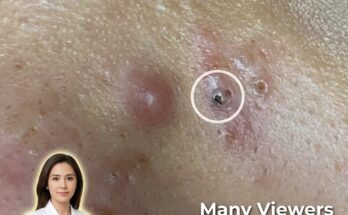
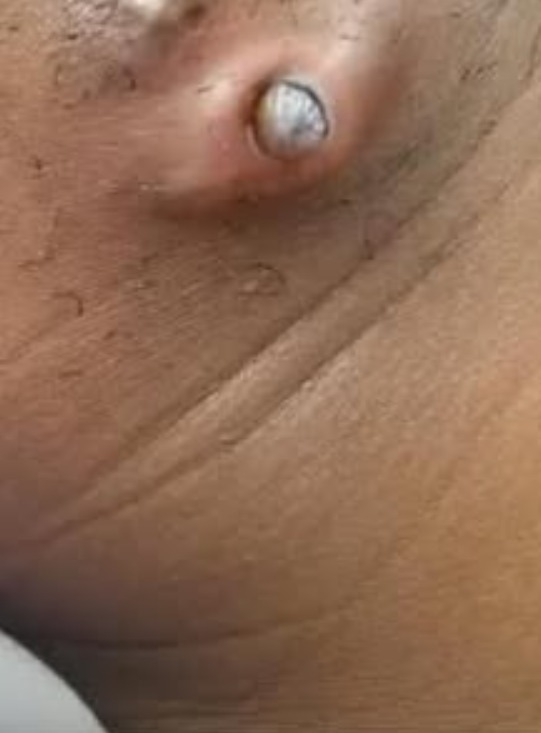
Sebaceous filaments and acne are often confused because both involve the pores and can appear as small dark dots on the skin, particularly on the nose, chin, and forehead. However, they arise from different biological processes. Acne develops when excess sebum production combines with abnormal follicular keratinization, leading to clogged pores known as comedones. When the pore becomes obstructed and bacteria such as Cutibacterium acnes proliferate, inflammation may follow, resulting in blackheads, whiteheads, papules, or pustules. Sebaceous filaments, in contrast, are a normal anatomical structure of the pilosebaceous unit. They are composed of sebum and keratin lining the inside of the pore, helping guide oil from the sebaceous gland to the skin surface. Unlike acne lesions, sebaceous filaments are not a form of clogged pore or inflammatory condition.
The appearance of sebaceous filaments is closely related to oil production. Individuals with oily skin often notice them more prominently because increased sebum fills and stretches the pore lining, making the filament more visible. They tend to appear uniform in size and distribution and typically return within weeks after extraction. Acne lesions, however, are more variable. Blackheads, also known as open comedones, occur when a pore is blocked and the trapped material oxidizes upon contact with air, turning dark. Whiteheads, or closed comedones, form when the blockage remains beneath the skin surface. Hormonal fluctuations, genetics, environmental factors, and skincare habits can contribute to acne formation by increasing sebum production or disrupting normal shedding of skin cells inside the follicle.
Skincare practices can influence both conditions, although in different ways. Overwashing or using harsh cleansers may disrupt the skin barrier, potentially increasing oil production and worsening inflammatory acne. At the same time, aggressive squeezing of sebaceous filaments can irritate the pore and lead to post-inflammatory hyperpigmentation or even true acne lesions. Ingredients such as salicylic acid are commonly used to help exfoliate inside the pore and reduce the formation of comedonal acne by dissolving excess keratin and sebum. Retinoids are often recommended because they normalize follicular keratinization, which may help prevent clogged pores and reduce blackheads and whiteheads over time. Benzoyl peroxide may help in inflammatory acne by targeting acne-causing bacteria, but it does not specifically treat sebaceous filaments.
Niacinamide is sometimes included in skincare routines for its ability to support the skin barrier and help regulate visible oiliness, which may make sebaceous filaments appear less prominent. Clay masks can temporarily absorb surface oil, reducing shine and the visibility of pores, though they do not permanently eliminate sebaceous filaments. Professional treatments such as chemical peels or prescription-strength retinoids may be considered for persistent comedonal acne under the guidance of a dermatologist. It is important to recognize that sebaceous filaments are a normal feature of healthy skin and cannot be permanently removed, while acne is a medical condition that may require targeted treatment.
Setting realistic expectations is essential. Attempts to completely eradicate sebaceous filaments often lead to unnecessary irritation, whereas consistent, gentle skincare may gradually improve the appearance of acne-prone skin. Individuals experiencing persistent breakouts, painful lesions, or scarring should seek evaluation from a qualified healthcare professional to determine an appropriate treatment plan. Understanding the biological difference between acne and sebaceous filaments allows for more informed skincare decisions and helps prevent overtreatment of a normal skin structure. This educational content follows evidence-based dermatology principles as outlined in the project guidelines.