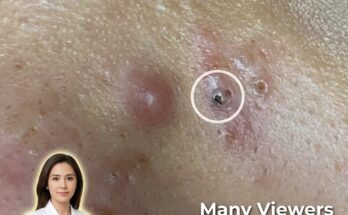
Inflammation plays a central role in the development and progression of acne lesions. Although acne is often described as a disorder of clogged pores, the visible redness, swelling, tenderness, and post-acne marks associated with breakouts are largely driven by inflammatory processes within the skin. Acne begins in the pilosebaceous unit, where excess sebum production and abnormal follicular keratinization contribute to the formation of microcomedones. As these clogged pores evolve into blackheads or whiteheads, trapped oil and dead skin cells create an environment that supports the proliferation of Cutibacterium acnes. The immune system recognizes bacterial byproducts and cellular debris within the follicle, triggering the release of inflammatory mediators such as cytokines. This cascade leads to dilation of blood vessels, recruitment of immune cells, and tissue swelling, transforming a simple comedone into an inflamed papule, pustule, or in more severe cases, a nodule.
Inflammation in acne is not solely a secondary reaction to bacteria. Research suggests that inflammatory signals may be present even in early microcomedones before visible lesions appear. Increased sebum production, often influenced by androgens, can alter lipid composition within the pore. Oxidized lipids and accumulated keratin debris may irritate the follicular lining, contributing to early immune activation. This helps explain why some individuals experience persistent inflammatory acne despite seemingly mild surface congestion. Oily skin, enlarged pores, and recurrent breakouts are often interconnected through this combination of sebum excess, barrier disruption, and immune response.
Hormonal fluctuations frequently intensify inflammatory acne. Androgen activity stimulates sebaceous glands, increasing oil output and promoting conditions favorable for clogged pores. This is why acne commonly worsens before menstruation, during puberty, or in conditions associated with hormonal imbalance. Stress may also contribute, as elevated cortisol levels can influence sebum production and inflammatory signaling. Genetic predisposition plays a role as well, affecting how reactive an individual’s immune system may be to follicular changes.
Skincare habits can either support or aggravate inflammation. Over-cleansing, harsh exfoliation, and frequent use of high-strength active ingredients may disrupt the skin barrier. When barrier function is compromised, transepidermal water loss increases, and the skin becomes more vulnerable to irritation. This can amplify redness and prolong healing time for acne lesions. Conversely, using excessively heavy or occlusive products on acne-prone or oily skin may contribute to further pore congestion, indirectly fueling inflammatory cycles. Environmental factors such as humidity, pollution, and friction from masks or tight clothing can also increase inflammatory responses in susceptible individuals.
Evidence-informed treatment strategies aim to address both clogged pores and the inflammatory component of acne. Topical retinoids are commonly recommended because they normalize follicular keratinization, reduce microcomedone formation, and possess anti-inflammatory properties. By promoting consistent cell turnover, retinoids help prevent blackheads and whiteheads while reducing the likelihood that these lesions will evolve into inflamed papules. Salicylic acid, a beta hydroxy acid, penetrates into the pore lining and helps dissolve accumulated debris. Its mild anti-inflammatory effects may also calm redness associated with comedonal acne.
Benzoyl peroxide is frequently used for inflammatory acne because it reduces bacterial overgrowth within pores and decreases inflammatory signaling. Lower concentrations are often effective while minimizing irritation, which is important since excessive dryness can worsen barrier dysfunction. Niacinamide is another skincare ingredient that may help regulate sebum production and support barrier repair. Its anti-inflammatory properties can contribute to reduced redness and improved overall skin resilience when incorporated into a balanced routine.
For individuals with moderate to severe inflammatory acne, dermatology-based treatments may be considered. Prescription retinoids, topical or oral antibiotics for short-term use, hormonal therapies, or oral isotretinoin are options evaluated by qualified professionals depending on severity and patient history. These interventions aim to control sebum production, reduce bacterial proliferation, and suppress inflammatory pathways. Because inflammation increases the risk of post-inflammatory hyperpigmentation and scarring, early and appropriate management is important.
It is also important to set realistic expectations. Inflammation does not resolve overnight, and acne treatments typically require consistent use over several weeks to show measurable improvement. Temporary dryness, mild irritation, or an adjustment phase may occur, particularly when initiating retinoids or benzoyl peroxide. Gradual introduction and barrier-supportive skincare, including non-comedogenic moisturizers and daily sunscreen, can improve tolerability and reduce secondary inflammation caused by irritation.
Ultimately, acne is a multifactorial condition in which inflammation interacts with sebum production, clogged pores, microbial activity, and barrier health. Addressing only one factor often leads to incomplete control. A comprehensive approach that balances oil regulation, gentle exfoliation, antimicrobial support, and barrier preservation is often recommended. Individuals experiencing persistent, painful, or scarring acne should seek evaluation from a qualified healthcare professional to determine the most appropriate management strategy.