Modern work routines often require long hours of sitting, especially for professionals who spend most of their day at a desk.
While dedication to your career is admirable, staying seated for extended periods can quietly reduce your daily energy expenditure.
The good news is that you do not need intense workouts or complicated routines to make a difference.
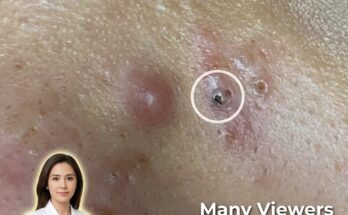
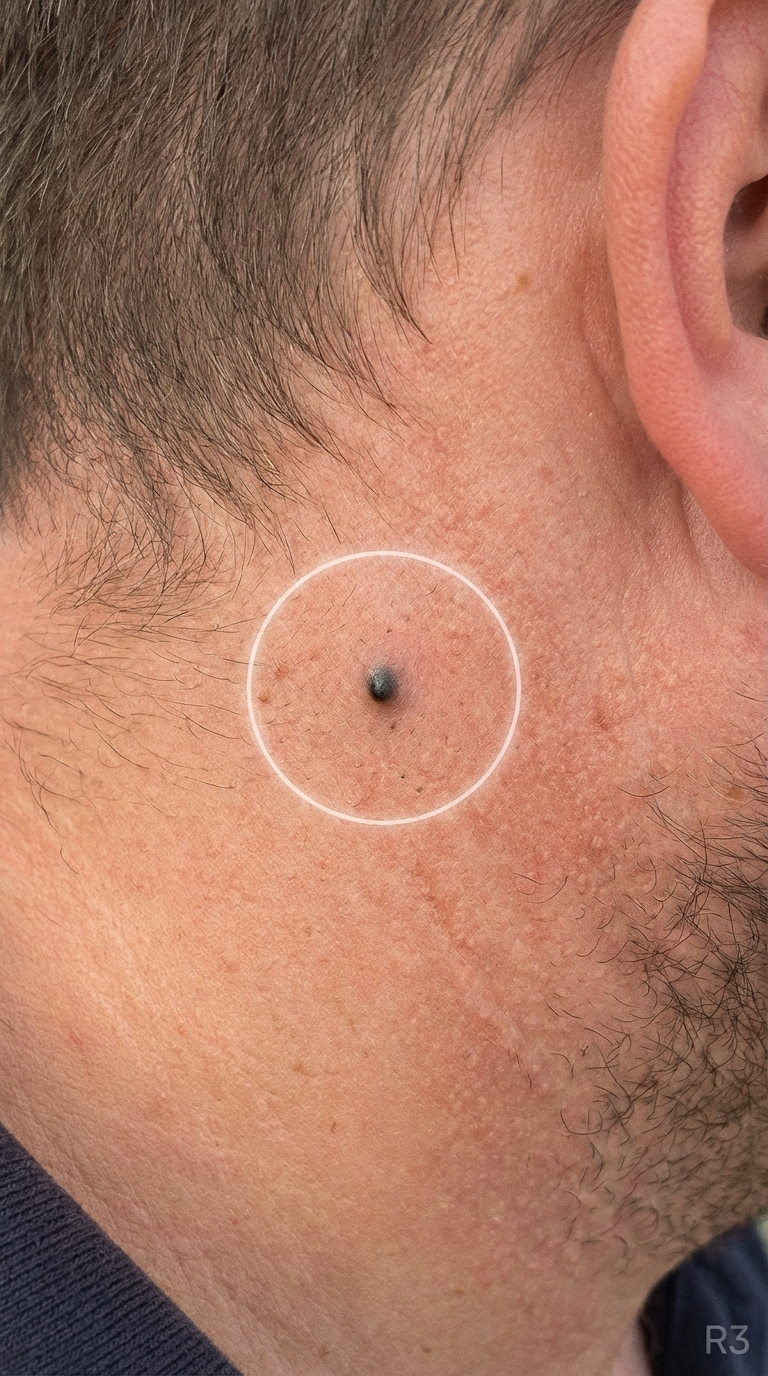
Hormonal acne is closely linked to changes in sebum production within the pilosebaceous unit, the structure composed of the hair follicle and its attached sebaceous gland. Sebum is an oily substance that helps lubricate and protect the skin, but when produced in excess it can mix with dead skin cells and accumulate inside the pore. This combination contributes to follicular keratinization, a process in which shed skin cells do not exit the pore efficiently. As sebum and keratin build up, clogged pores form, leading to comedones such as blackheads and whiteheads. When the blocked follicle creates an environment that supports the proliferation of Cutibacterium acnes and triggers inflammation, more noticeable acne lesions may develop.
Hormonal fluctuations play a central role in regulating sebaceous gland activity. Androgens, including testosterone and its more potent derivative dihydrotestosterone, stimulate sebaceous glands to enlarge and produce more sebum. This is why acne often emerges during puberty, when androgen levels rise, and why breakouts may flare before menstruation, during pregnancy, or in conditions associated with hormonal imbalance. In individuals prone to hormonal acne, sebaceous glands may be more sensitive to normal circulating hormone levels, resulting in persistently oily skin and recurrent clogged pores even without markedly abnormal lab values.
Genetics also influence sebum activity and pore behavior. Some individuals inherit larger or more active sebaceous glands, which can predispose them to oily skin and comedonal acne. Environmental factors such as humidity may further increase surface oiliness, while certain skincare habits can unintentionally worsen congestion. Heavy or occlusive products may trap sebum within the pore, and over-cleansing can disrupt the skin barrier, potentially increasing irritation and inflammation. A compromised barrier may signal the skin to compensate by producing more oil, indirectly contributing to breakouts.
Effective management of hormonal acne often focuses on regulating sebum production, improving pore turnover, and reducing inflammation. Topical retinoids are commonly recommended because they normalize follicular keratinization and help prevent the formation of microcomedones, the earliest stage of acne. By encouraging more consistent cell turnover inside the pore, retinoids may reduce the development of blackheads and whiteheads over time. Salicylic acid, a beta hydroxy acid that penetrates oil, can help dissolve debris within clogged pores and is frequently used in cleansers or leave-on treatments for oily skin. Benzoyl peroxide may be added when inflammatory lesions are present, as it reduces acne-causing bacteria and can decrease inflammatory activity.
Niacinamide is another skincare ingredient often included in acne routines because it supports the skin barrier and may help regulate oil production. Maintaining barrier integrity is important, particularly when using active treatments, as excessive dryness or irritation can worsen inflammation and limit adherence to therapy. Non-comedogenic moisturizers are generally advised to balance hydration without contributing to pore congestion. For individuals with moderate to severe hormonal acne, dermatologists may consider prescription-strength retinoids, oral medications that influence hormonal pathways, or other targeted therapies depending on clinical evaluation.
It is important to recognize that hormonal acne tends to be chronic and influenced by internal biological rhythms, which means improvement typically occurs gradually rather than immediately. Consistent skincare routines and medically supervised treatments may help reduce lesion frequency and severity, but results vary based on individual hormone sensitivity, genetics, and lifestyle factors. Persistent, painful, or scarring acne warrants evaluation by a qualified healthcare professional to determine whether underlying hormonal conditions require further assessment. Educational approaches that emphasize realistic expectations, evidence-based ingredients, and barrier support remain central to responsible acne management.