Salicylic Acid Cleansers vs Leave-On Treatments
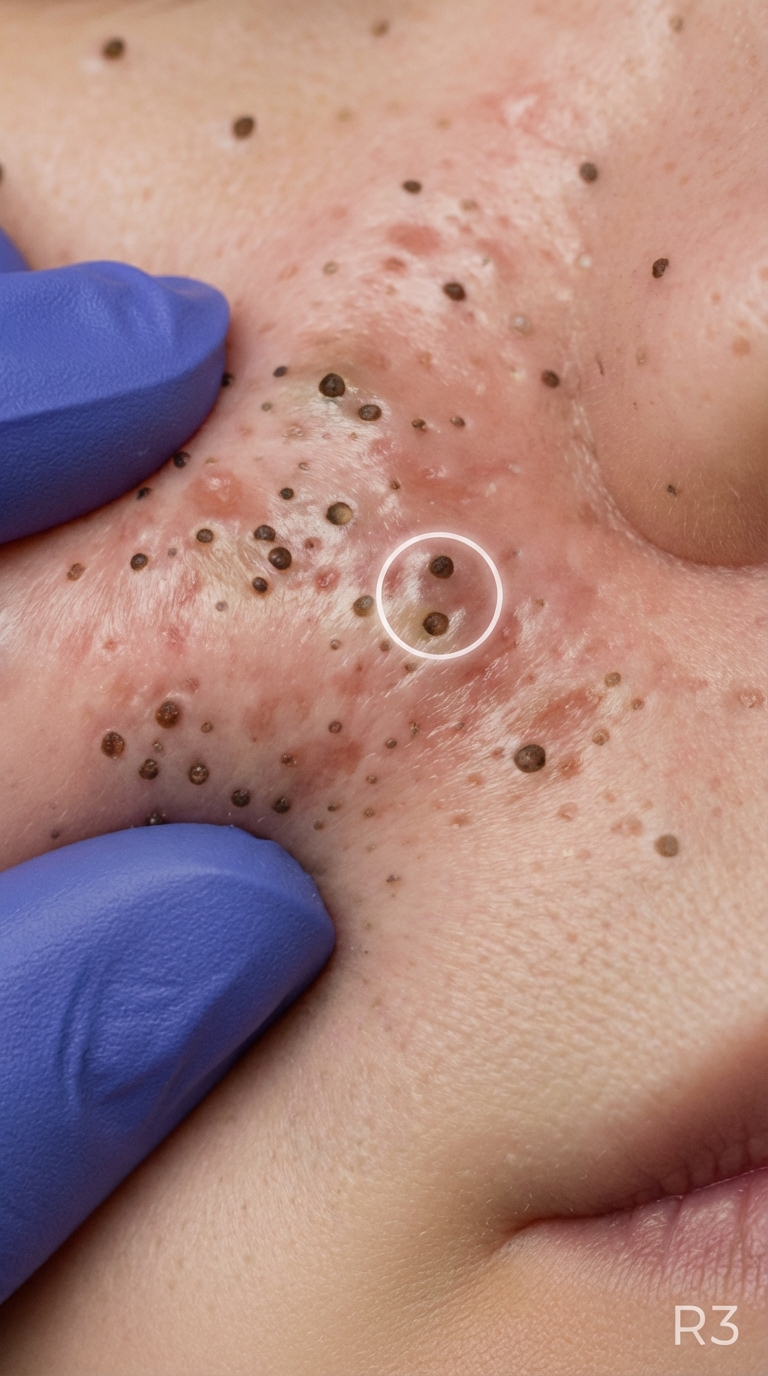
Salicylic acid is a beta hydroxy acid that plays a distinct role in the management of acne because of its oil-soluble structure. Unlike water-soluble exfoliating acids, salicylic acid can penetrate into the pore lining, where it helps loosen compacted dead skin cells and reduce the buildup of sebum that contributes to clogged pores. Acne often begins with microcomedones formed through abnormal follicular keratinization and excess oil production. By promoting desquamation within the follicle and supporting clearer pore function, salicylic acid may help reduce the formation of blackheads, whiteheads, and inflammatory lesions over time.
The format in which salicylic acid is delivered significantly influences how it interacts with the skin. Cleansers containing salicylic acid are designed for brief contact with the skin before being rinsed away. This short exposure can still provide mild exfoliation and oil control, particularly for individuals with oily skin or those prone to congestion in the T-zone. However, because cleansers are washed off, the total contact time with the pore lining is limited. Leave-on treatments, such as toners, serums, or spot treatments, remain on the skin for extended periods, allowing more sustained activity within the follicle. This prolonged exposure may enhance comedolytic effects and is often recommended for persistent blackheads or comedonal acne.
Skin type, barrier integrity, and overall skincare routine can influence which format is most appropriate. Individuals with sensitive or dehydrated skin may tolerate salicylic acid cleansers better because the shorter exposure reduces the risk of irritation. Overuse of exfoliating ingredients, especially when combined with retinoids or benzoyl peroxide, can disrupt the skin barrier and increase inflammation, potentially worsening breakouts. In contrast, those with thicker, oilier skin and recurrent clogged pores may benefit from a carefully introduced leave-on salicylic acid product used a few times per week. Hormonal fluctuations, environmental humidity, and occlusive skincare products can also affect sebum production and pore congestion, which may influence treatment response.
From an evidence-informed perspective, both formats can play complementary roles in acne management. A salicylic acid cleanser may help maintain clearer pores and reduce surface oil, while a leave-on formulation may provide more targeted exfoliation for areas with persistent congestion. Dermatology professionals sometimes incorporate salicylic acid alongside retinoids, which normalize skin cell turnover, or niacinamide, which may support barrier function and reduce visible redness. The choice between cleanser and leave-on product should be guided by tolerance, acne severity, and the presence of other active ingredients within the routine.
Realistic expectations are essential. Salicylic acid does not permanently shrink pores, but it may help minimize their appearance by keeping them clear. Improvements in blackheads and mild comedonal acne often require several weeks of consistent use. Irritation, dryness, or peeling can occur, particularly with higher concentrations or excessive frequency. For moderate to severe acne, cystic lesions, or scarring, consultation with a qualified healthcare professional is advisable to explore prescription options or combination therapies. Educational standards for acne content emphasize mechanism-based explanations and balanced treatment guidance, consistent with evidence-based skincare communication.