Managing Persistent Blackheads Safely
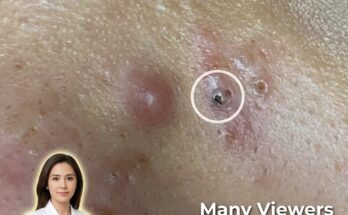
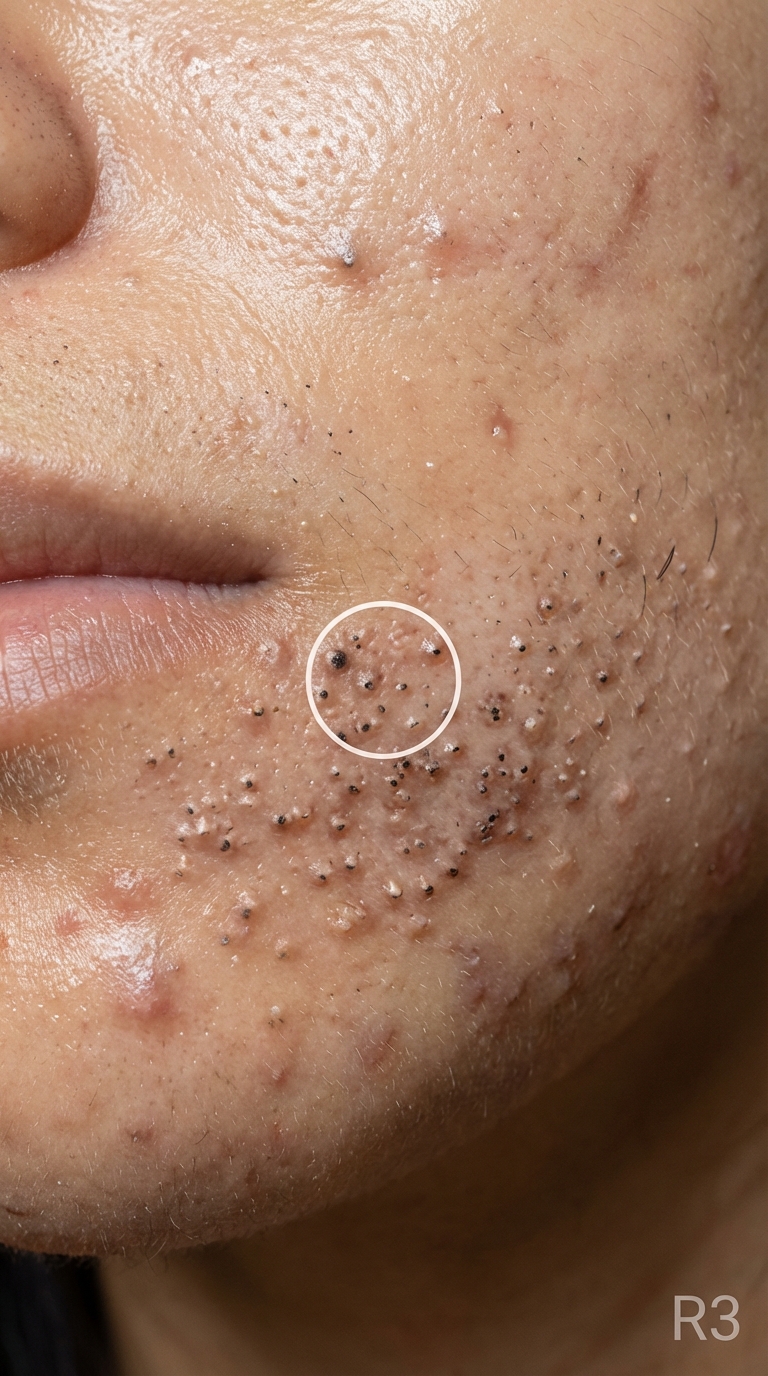
Blackheads, also known as open comedones, develop when excess sebum and dead skin cells accumulate inside the hair follicle and form a compact plug. As the pore remains open to air, oxidation of melanin and lipids within the plug causes the characteristic dark appearance. This process is driven by increased sebum production, abnormal follicular keratinization, and changes in the microenvironment of the pore. Persistent blackheads often indicate ongoing congestion within the pilosebaceous unit rather than surface dirt, which means aggressive scrubbing or harsh cleansing rarely addresses the underlying mechanism.
Several contributing factors can make blackheads more difficult to manage. Oily skin types tend to produce more sebum, which increases the likelihood of clogged pores, particularly in areas such as the nose, chin, and forehead. Hormonal fluctuations may further stimulate sebaceous gland activity. Inconsistent exfoliation, the use of occlusive skincare or cosmetic products, and environmental pollutants can also contribute to pore congestion. In some individuals, genetics influence pore size and oil gland activity, which may explain why blackheads persist despite regular cleansing.
Evidence-informed management focuses on normalizing cell turnover and reducing excess oil within the pore. Topical retinoids are commonly recommended because they help regulate follicular keratinization and prevent the formation of microcomedones, which are the earliest stage of acne. Salicylic acid, an oil-soluble beta hydroxy acid, may help dissolve debris within the pore lining and reduce the buildup that contributes to blackheads. Benzoyl peroxide is more effective for inflammatory acne but may be included in routines when mixed lesion types are present. Niacinamide can support the skin barrier and may help moderate sebum production, which is beneficial for oily skin prone to visible pores.
Mechanical extraction should be approached cautiously. While professional comedone extraction performed by trained dermatology providers can be safe, squeezing blackheads at home increases the risk of inflammation, broken capillaries, and post-inflammatory hyperpigmentation. Pore strips may temporarily remove superficial debris but do not prevent recurrence because they do not address abnormal keratinization deeper within the follicle. Gentle, consistent skincare is generally more effective than aggressive, short-term measures.
Improvement in persistent blackheads typically requires several weeks of regular use of appropriate skincare ingredients. Overuse of exfoliants or combining multiple strong actives without guidance can impair the skin barrier, leading to irritation that may worsen breakouts. Individuals with widespread comedonal acne, recurring congestion despite over-the-counter treatment, or signs of scarring should consider consultation with a qualified healthcare professional to evaluate prescription retinoids or procedural options. Educational dermatology guidance emphasizes mechanism-based, safety-conscious approaches when addressing clogged pores and blackheads, supporting long-term skin health rather than rapid but temporary fixes.