In a world that often feels fast-paced and chaotic, stories have a unique ability to ground us, reminding us of our shared humanity.
Folktales, in particular, have woven their way through cultures for centuries, carrying with them the wisdom, values, and experiences of generations.
As we explore the influence of these timeless narratives on modern stories, we uncover a rich tapestry of inspiration that continues to shape our understanding of ourselves and the world around us.
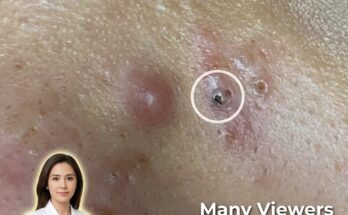
The term comedogenic refers to a substance that may contribute to the formation of comedones, including blackheads and whiteheads. Comedones develop when excess sebum mixes with shed keratinocytes inside the hair follicle, forming a plug that obstructs the pore. This process begins with microcomedones, which are not visible to the eye but represent the earliest stage of acne. When the follicle remains clogged without significant inflammation, the lesion may appear as a closed comedone, or whitehead. If the pore remains open and oxidizes, it can form a blackhead. Because clogged pores are central to comedonal acne, concerns about so-called comedogenic ingredients are common among individuals with oily or acne-prone skin.
Much of the early concern about comedogenicity stems from laboratory studies conducted in the 1970s using rabbit ear models. In these experiments, ingredients were applied in high concentrations under occlusion, which does not accurately replicate how products are used on human facial skin. Some substances identified as highly comedogenic in rabbits did not demonstrate the same pore-clogging effects in well-formulated cosmetic products used under normal conditions. Human skin differs significantly in structure, sebum composition, and follicular behavior, making direct comparisons unreliable. As a result, lists labeling ingredients as definitively pore-clogging often lack strong clinical evidence.
In real-world settings, formulation matters more than the presence of a single ingredient. An ingredient that may be comedogenic at high concentrations in isolation can behave differently when incorporated into a balanced product. Vehicle systems, ingredient combinations, and overall product texture influence how substances interact with the skin. For example, certain plant oils are frequently labeled as comedogenic online, yet many are well tolerated in properly formulated moisturizers. Conversely, even products marketed as oil-free can contribute to clogged pores if they are heavy, occlusive, or unsuitable for an individual’s skin type. Personal variability in sebum production, follicular keratinization, and inflammatory response plays a significant role.
Genetics and hormones also influence how skin responds to topical products. Individuals with naturally higher sebum production or a history of comedonal acne may be more sensitive to richer formulations. Environmental factors such as humidity can intensify oiliness, while aggressive cleansing or over-exfoliation may disrupt the skin barrier, leading to compensatory oil production and irritation. It is therefore overly simplistic to attribute acne solely to one “comedogenic” ingredient without considering broader biological and behavioral factors.
From an evidence-based perspective, selecting products labeled non-comedogenic may reduce risk, although the term itself is not strictly regulated and does not guarantee that a product will never contribute to breakouts. Ingredients commonly recommended for acne-prone skin include topical retinoids, which help normalize follicular keratinization and reduce microcomedone formation, and salicylic acid, which penetrates oil-filled pores and may assist with blackheads. Benzoyl peroxide can reduce inflammatory lesions by targeting Cutibacterium acnes, while niacinamide may support barrier function and help moderate excess sebum. Rather than eliminating specific ingredients based on generalized online lists, gradual product introduction and monitoring skin response are often more practical strategies.
Ultimately, the concept of comedogenic ingredients is more nuanced than many social media discussions suggest. Acne is a multifactorial condition influenced by sebum production, clogged pores, bacterial activity, inflammation, and hormonal regulation. While certain products may contribute to congestion in susceptible individuals, blanket avoidance of long ingredient lists is not always supported by strong clinical evidence. Individuals experiencing persistent or worsening acne despite careful product selection may benefit from consultation with a qualified dermatology professional to develop a personalized treatment plan. This evidence-informed approach aligns with established acne education standards for medically accurate skincare content.