In today’s fast-paced world, the quest for knowledge often feels like a race against time.
With endless resources at our fingertips, it can be easy to skim the surface of subjects without truly understanding them.
Yet, fostering a deep understanding of what we learn is essential for personal growth and mastery.
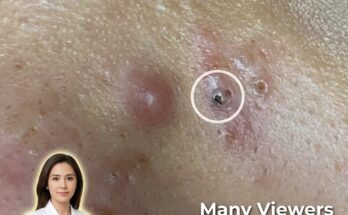
Blackheads, also known as open comedones, form when excess sebum and shed keratinocytes accumulate inside the hair follicle and become oxidized at the surface of the pore. This process is driven by increased sebum production, abnormal follicular keratinization, and local inflammation within acne-prone skin. Clay masks are often marketed for oily skin and clogged pores because certain clays can absorb surface oil and temporarily reduce visible shine. Understanding how they work biologically helps clarify what they can and cannot do for blackheads.
Natural clays such as kaolin and bentonite have absorptive properties. When applied to the skin, they bind to excess surface sebum and may help draw out some debris from the upper portion of the pore. This can make pores appear smaller and reduce the greasy feel associated with oily skin. However, clay masks primarily act on the surface and upper follicular opening. They do not directly normalize the deeper keratinization process that leads to microcomedone formation. For this reason, while clay masks may temporarily improve the appearance of blackheads, they are unlikely to prevent new ones from forming on their own.
Several contributing factors influence how effective clay masks may be. Individuals with high sebum production due to hormonal fluctuations or genetic predisposition may notice short-term improvement in shine after using a clay mask. Environmental factors such as humidity and occlusive skincare or makeup products can also increase pore congestion, making oil-absorbing treatments feel beneficial. However, excessive use of clay masks or harsh cleansing alongside them can impair the skin barrier. Barrier disruption may trigger compensatory oil production or inflammation, potentially worsening acne over time.
For long-term management of blackheads and clogged pores, ingredients that directly target follicular keratinization are often recommended. Salicylic acid is lipid-soluble and can penetrate into pores to help dissolve accumulated debris. Retinoids regulate cell turnover and reduce the formation of new comedones. Benzoyl peroxide is primarily used for inflammatory acne but may be included in regimens where papules and pustules accompany blackheads. Clay masks can be used as a supplementary step, typically once or twice weekly, to help manage excess oil without replacing evidence-based treatments.
When incorporating clay masks into an acne-focused skincare routine, gentle cleansing and adequate moisturization are important. Even oily skin benefits from non-comedogenic moisturizers that support barrier function. Over-drying the skin in an attempt to remove blackheads may increase irritation and disrupt barrier lipids, which can contribute to ongoing congestion and inflammation. Sunscreen remains essential, particularly if exfoliating acids or retinoids are also being used.
Overall, clay masks may help reduce the visible appearance of blackheads by absorbing excess oil and temporarily clearing surface debris, but they do not address the underlying biological causes of comedonal acne. Consistent use of ingredients that regulate pore turnover, combined with barrier-supportive skincare, typically offers more sustainable results. Persistent or widespread blackheads, especially when accompanied by inflammatory lesions, may benefit from evaluation by a qualified dermatologist to determine the most appropriate treatment plan.