When we think about chemistry, many of us might picture test tubes, lab coats, and complicated equations that seem to belong in a high school classroom rather than our everyday lives.
However, the truth is that chemistry is all around us, woven into the fabric of our daily experiences.
From the way we cook our meals to the products we use for cleaning, chemistry plays a vital role in shaping our lives.
Pore size is largely determined by the structure of the hair follicle and the activity of the sebaceous gland attached to it. Each pore represents the opening of a follicular unit, where sebum is produced and transported to the skin’s surface. When oil production increases, the follicular canal can stretch to accommodate the higher volume of sebum and shed keratinocytes. Over time, this repeated expansion may make pores appear more visible, particularly in areas with dense sebaceous glands such as the nose, forehead, and chin. Although pores do not open and close like muscles, changes in oil flow and follicular congestion can significantly influence how large they look.
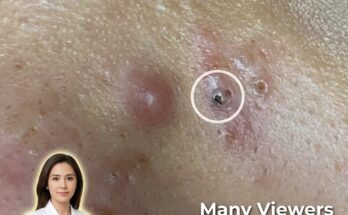
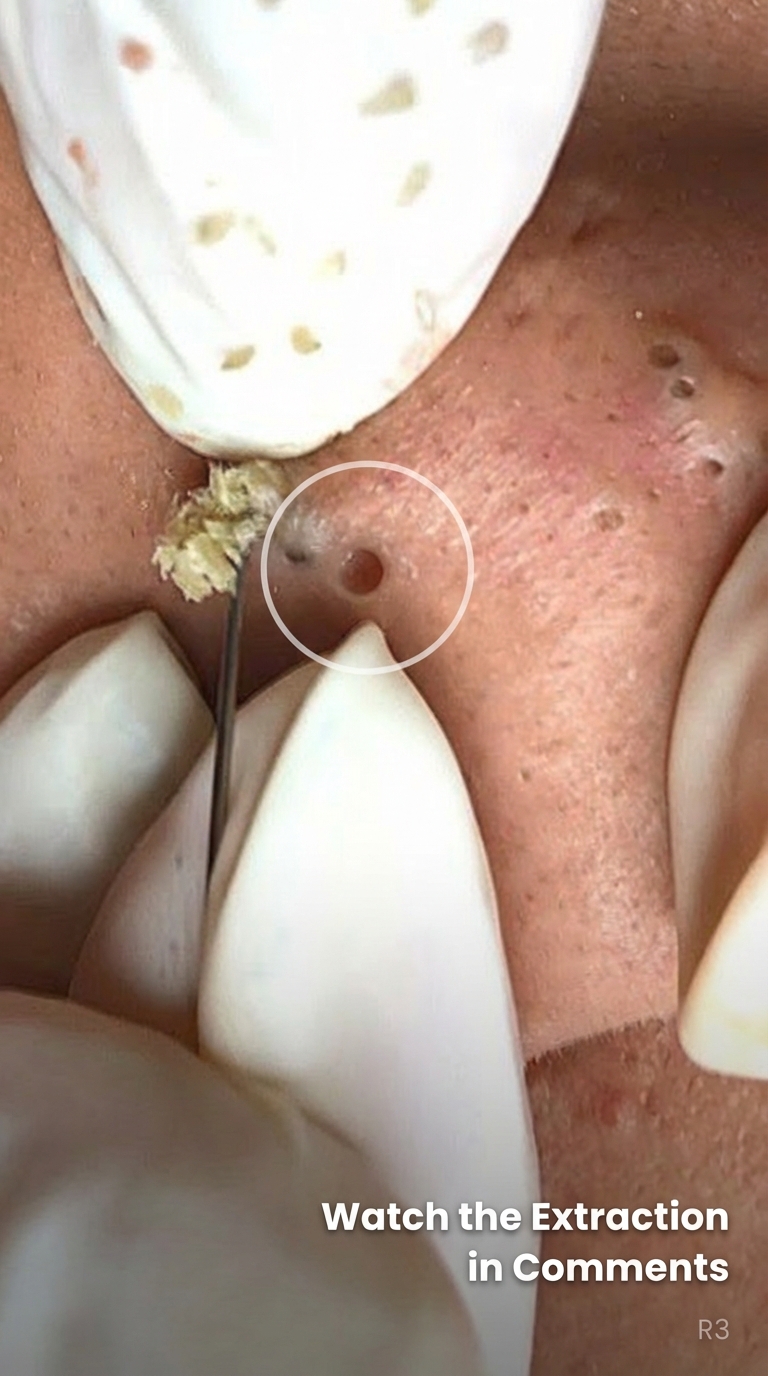
Sebum plays a protective role in maintaining skin barrier function, but excess production contributes to clogged pores and comedonal acne. When sebum mixes with dead skin cells and accumulates inside the follicle, it forms microcomedones, which can develop into blackheads or whiteheads. The buildup stretches the pore lining, making the opening appear wider. Oxidation of trapped debris in open comedones further emphasizes pore visibility, especially in individuals with oily skin. Chronic inflammation associated with acne may also degrade collagen surrounding the follicle, reducing structural support and contributing to persistent enlargement.
Hormonal activity is a major driver of oil production. Androgens stimulate sebaceous glands, which explains why pore visibility and acne often increase during puberty, menstrual cycles, or periods of hormonal fluctuation. Genetics also influence baseline pore size and sebaceous gland density. Environmental factors such as humidity can increase surface oiliness, while harsh skincare routines that strip the skin barrier may paradoxically stimulate rebound sebum production. Inadequate cleansing, heavy occlusive products, and comedogenic formulations can further contribute to clogged pores, compounding their appearance.
Evidence-informed skincare strategies aim to regulate oil production and improve follicular turnover. Topical retinoids are commonly recommended because they normalize keratinization within the follicle and help prevent clogged pores. Over-the-counter retinol formulations may gradually improve comedonal acne and reduce the appearance of enlarged pores by supporting collagen remodeling. Salicylic acid, a lipid-soluble beta hydroxy acid, penetrates into oil-filled pores and may help dissolve accumulated debris. Benzoyl peroxide is often used when inflammatory acne is present, as it reduces Cutibacterium acnes and limits bacterial overgrowth that can worsen swelling around the follicle. Niacinamide may support barrier function and has been shown to modestly reduce sebum production, which can indirectly make pores appear less prominent.
Professional treatments may be considered for individuals with persistent concerns. Chemical peels containing salicylic acid or glycolic acid can enhance exfoliation and reduce surface congestion. Laser and energy-based devices are sometimes used to stimulate dermal collagen, improving skin firmness around pores. In cases of significant acne or hormonal imbalance, dermatologists may evaluate prescription retinoids or systemic therapies. These approaches should be individualized based on skin type, acne severity, and overall health.
It is important to maintain realistic expectations. Pore size is largely genetically determined and cannot be permanently “shrunk.” However, consistent management of oil production, clogged pores, and inflammation can significantly improve their appearance over time. Gentle cleansing, appropriate use of evidence-based skincare ingredients, and protection of the skin barrier are central to long-term results. Individuals with persistent or severe acne should seek guidance from a qualified healthcare professional to ensure safe and effective treatment aligned with current dermatologic standards.