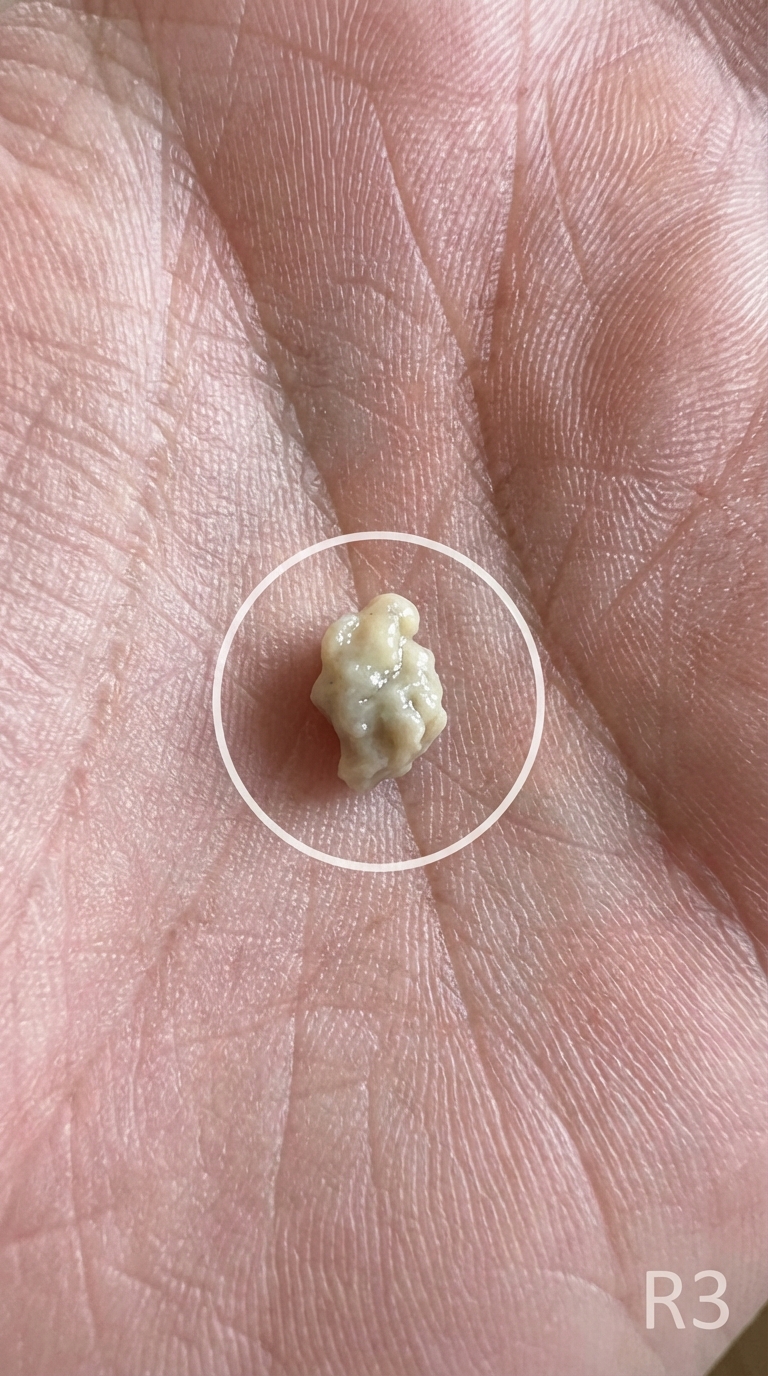
Tonsil stones, medically known as tonsilloliths, form through a biological process that shares surprising similarities with clogged pores in acne. The tonsils contain small folds and crypts that can trap dead cells, mucus, food debris, and bacteria. When this material accumulates and becomes compacted, it may harden over time due to mineralization, forming small white or yellowish masses that can resemble pimple-like growths in the back of the throat. Much like comedones in acne, which develop when excess sebum and keratin become trapped inside hair follicles, tonsil stones arise from retention of organic debris in a confined anatomical space. The result can be localized inflammation, irritation, and in some cases, unpleasant odor due to bacterial activity.
Several contributing factors can increase the likelihood of developing tonsil stones. Individuals with deeper tonsillar crypts are anatomically more prone to debris retention, similar to how people with naturally oilier skin may be more susceptible to clogged pores and blackheads. Chronic postnasal drip, recurrent throat infections, and poor oral hygiene may also contribute to accumulation of bacteria and biofilm within the tonsils. Just as excess sebum production and follicular keratinization can contribute to acne formation, bacterial overgrowth within trapped debris plays a role in the development of tonsilloliths. Although hormones are central in acne biology, they are not a primary driver of tonsil stones, yet shifts in immune response and oral microbiome balance may influence susceptibility.
Management focuses on reducing debris buildup and bacterial accumulation. Gentle gargling with salt water may help dislodge smaller stones and reduce inflammation. Maintaining consistent oral hygiene, including brushing the tongue, may help limit bacterial load in the mouth. In persistent cases, medical professionals may recommend removal in a clinical setting, and in rare or severe situations, procedures to reduce or remove tonsillar crypts may be considered. This approach mirrors how acne management targets the root causes of pore blockage, inflammation, and microbial overgrowth through ingredients such as salicylic acid, benzoyl peroxide, and retinoids. While these skincare ingredients are specific to acne treatment and not appropriate for tonsil tissue, the underlying principle of reducing buildup and controlling bacterial proliferation is conceptually similar.
It is important to understand that tonsil stones are generally benign and do not represent infection in most cases. They may cause discomfort, a sensation of something lodged in the throat, or halitosis, but they are not the same as acne, even though their appearance can resemble whiteheads. Attempts to aggressively remove them at home can cause tissue injury and should be approached cautiously. Individuals experiencing persistent pain, recurrent infections, or difficulty swallowing should consult a qualified healthcare professional for evaluation.
As with acne and other conditions involving inflammation and microbial imbalance, realistic expectations are important. Preventive measures may reduce recurrence, but anatomical factors can make some individuals more prone than others. Education grounded in biological mechanisms rather than myths helps clarify why these small formations occur and how they can be managed safely.