In our daily lives, we often encounter a world that seems to be in constant motion, where reactions unfold around us—some subtle, others quite pronounced.
Whether we’re blending ingredients in the kitchen, witnessing a dramatic sunset, or experiencing a change in mood, the essence of reactions and the role of catalysts in our lives can be both fascinating and enriching.
Understanding these concepts can inspire us to embrace change and enhance our experiences.
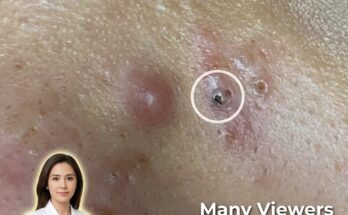
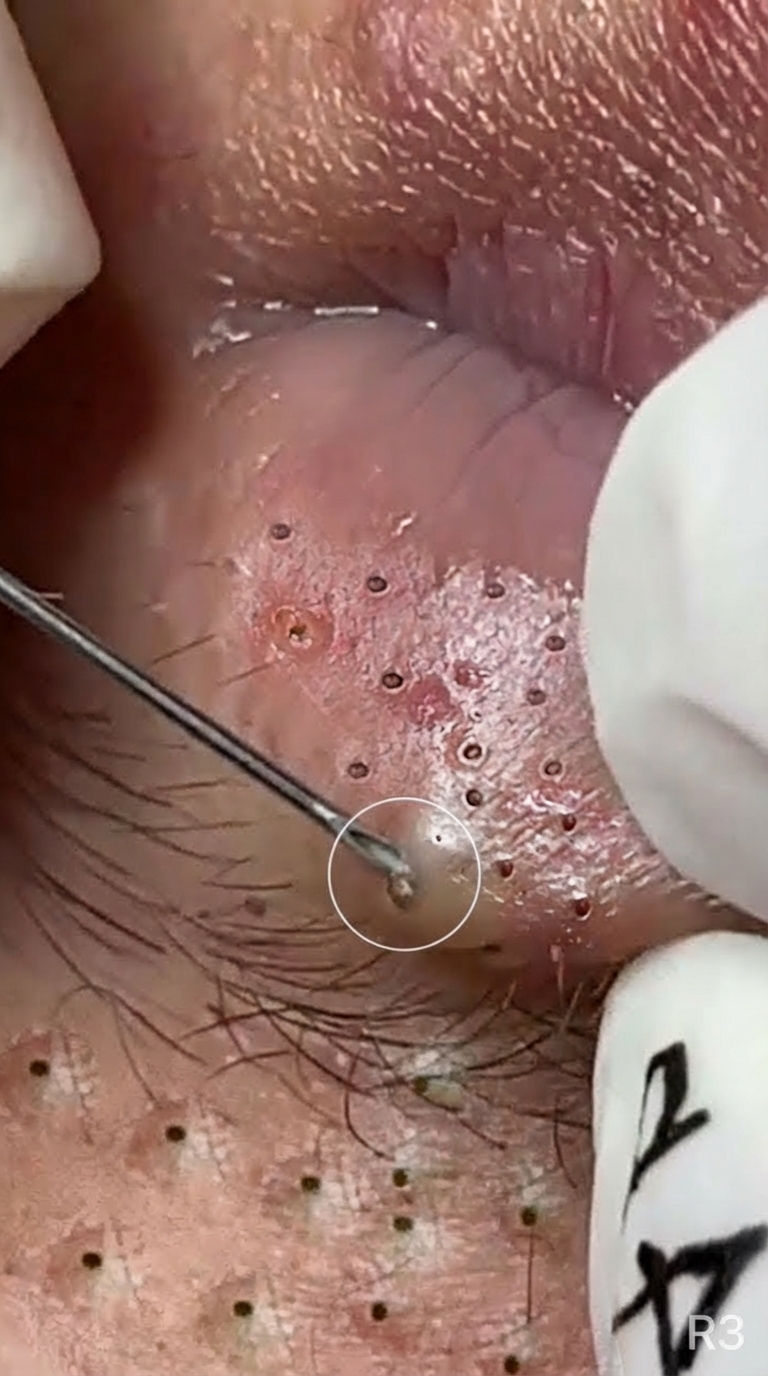
Humidity and climate influence acne-prone skin by altering sebum production, sweat activity, and the behavior of cells within the pore. Acne develops when excess oil combines with dead skin cells inside the follicle, forming clogged pores that can progress into blackheads, whiteheads, or inflammatory lesions. Environmental conditions directly affect this process. In high humidity, the skin’s surface retains more moisture, and sweat production increases. When sweat mixes with sebum and debris, it can create a film over the skin that may contribute to congestion, especially in individuals already prone to comedonal acne.
Warm and humid climates often stimulate sebaceous gland activity, leading to increased oil production. Oily skin under these conditions may feel persistently slick, and pores may appear more prominent. When excess sebum accumulates within the follicle and combines with irregular shedding of keratinocytes, microcomedones can form more readily. Occlusive skincare products, heavy sunscreens, or thick makeup may further trap sweat and oil against the skin, increasing the likelihood of clogged pores. Additionally, friction from hats, masks, or tight clothing in hot weather can worsen breakouts by creating mechanical irritation and blocking airflow.
In contrast, cold and dry climates present a different challenge. Low humidity can impair the skin barrier by increasing transepidermal water loss. When the barrier becomes compromised, the skin may respond with irritation and compensatory oil production. Some individuals with acne-prone skin mistakenly increase exfoliation during winter months to manage flaking, but overuse of harsh cleansers or physical scrubs can disrupt barrier function and potentially aggravate inflammation. Even in dry climates, excess sebum can still mix with dead skin cells and form comedones, particularly if barrier damage triggers redness and sensitivity.
Seasonal changes may also influence acne patterns through hormonal and lifestyle factors. Increased sweating during summer, changes in sunscreen use, alterations in diet, and variations in air pollution levels can all affect pore congestion. Pollution particles can adhere to sebum on the skin’s surface, potentially contributing to oxidative stress and inflammation within pores. Individuals living in urban, humid environments may notice more frequent blackheads or inflammatory acne compared with cooler, less polluted settings.
Adapting skincare to climate conditions may help reduce acne flare-ups. In humid weather, lightweight, non-comedogenic moisturizers and gel-based formulations are often better tolerated than heavy creams. Oil-free sunscreens designed for acne-prone skin can help protect against ultraviolet damage without excessively occluding pores. Gentle cleansing after sweating may reduce the buildup of sweat and oil, though overwashing should be avoided to preserve the skin barrier. Ingredients such as salicylic acid may help maintain clearer pores by dissolving excess oil within the follicle, while retinoids can support normalized skin cell turnover and reduce microcomedone formation over time. Benzoyl peroxide may be useful when inflammatory lesions are present, particularly in hot climates where bacterial proliferation may increase.
In dry or cold environments, maintaining barrier integrity becomes a priority. Using a mild cleanser, incorporating moisturizers that contain ceramides, and avoiding overly aggressive exfoliation may help minimize irritation. Niacinamide can support barrier function while also helping regulate oil production. Even individuals with oily skin benefit from consistent moisturizing, as balanced hydration may reduce reactive sebum overproduction.
Because acne is influenced by both internal factors, such as hormones and genetics, and external factors, including climate and skincare habits, responses to environmental changes vary widely. Improvements may take several weeks as the skin adjusts to new routines or seasonal transitions. Persistent, severe, or scarring acne warrants evaluation by a qualified dermatologist, who can recommend targeted treatments based on individual skin type and environmental exposure. Understanding how humidity and climate affect acne-prone skin allows for more strategic, seasonally appropriate skincare decisions that support long-term pore health and overall skin stability.