The intricate dance between genes and behavior has fascinated scientists, psychologists, and curious minds alike.
As we navigate our daily lives, we often ponder the reasons behind our actions, reactions, and even our inclinations.
Are we merely products of our environment, shaped by our experiences? Or do our genes hold the key to understanding our behaviors? Exploring how genes influence behavior can deepen our understanding of ourselves and the world around us.
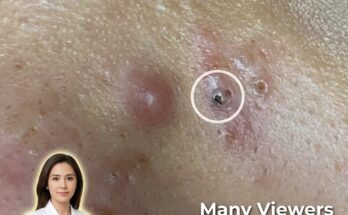
Benzoyl peroxide is widely used in the management of inflammatory acne because of its direct antimicrobial and anti-inflammatory activity within the pilosebaceous unit. Inflammatory acne develops when excess sebum production and abnormal follicular keratinization lead to clogged pores, creating an environment where Cutibacterium acnes can proliferate. As these bacteria break down sebum, they release inflammatory mediators that trigger redness, swelling, and the formation of papules and pustules. Benzoyl peroxide penetrates into the follicle and decomposes to release free oxygen radicals, which reduce bacterial load in an oxygen-sensitive environment. This mechanism helps lower microbial overgrowth without contributing to antibiotic resistance, making it a cornerstone ingredient in acne-focused skincare.
The development of inflammatory acne is influenced by multiple factors beyond bacterial proliferation. Hormonal fluctuations, particularly androgens, stimulate sebaceous glands to produce more oil, contributing to oily skin and enlarged pores. Increased sebum can mix with shed keratinocytes, forming microcomedones that later evolve into whiteheads, blackheads, or inflamed lesions. Genetic predisposition, environmental stressors, occlusive cosmetics, and improper skincare routines may further disrupt the skin barrier and worsen inflammation. Over-cleansing or using harsh products can impair barrier function, potentially increasing irritation and triggering compensatory oil production. In this context, benzoyl peroxide is often incorporated into broader regimens that address both inflammation and pore congestion.
From a treatment perspective, benzoyl peroxide is available in various concentrations, typically ranging from 2.5% to 10%, in cleansers, gels, and leave-on formulations. Lower concentrations may be similarly effective for many individuals while causing less irritation, particularly in those with sensitive or barrier-compromised skin. Because it targets bacteria and reduces inflammatory mediators, benzoyl peroxide is commonly recommended for red, tender breakouts rather than purely comedonal acne. It is frequently combined with topical retinoids, which normalize follicular keratinization and help prevent clogged pores, or with salicylic acid, a beta hydroxy acid that penetrates into pores to exfoliate excess debris. Niacinamide may also be added to routines to support the skin barrier and reduce visible redness.
In moderate to more persistent inflammatory acne, dermatology professionals may prescribe combination therapies that include benzoyl peroxide alongside topical or oral medications. The goal is to address multiple components of acne pathophysiology simultaneously, including sebum production, follicular plugging, bacterial activity, and inflammation. Using benzoyl peroxide in combination regimens may also help reduce the risk of antibiotic resistance when topical or oral antibiotics are required.
Despite its benefits, benzoyl peroxide can cause dryness, peeling, or irritation, particularly during the first weeks of use. Gradual introduction, appropriate moisturization, and sunscreen application are often recommended to maintain skin barrier integrity and minimize adverse effects. It may also bleach fabrics and hair, which is a practical consideration for users. Improvement in inflammatory acne typically occurs gradually over several weeks, and consistent use is important for maintaining results. Individuals with severe, scarring, or treatment-resistant acne should seek evaluation from a qualified dermatologist to determine whether prescription therapies or alternative interventions are appropriate.