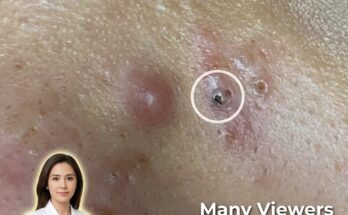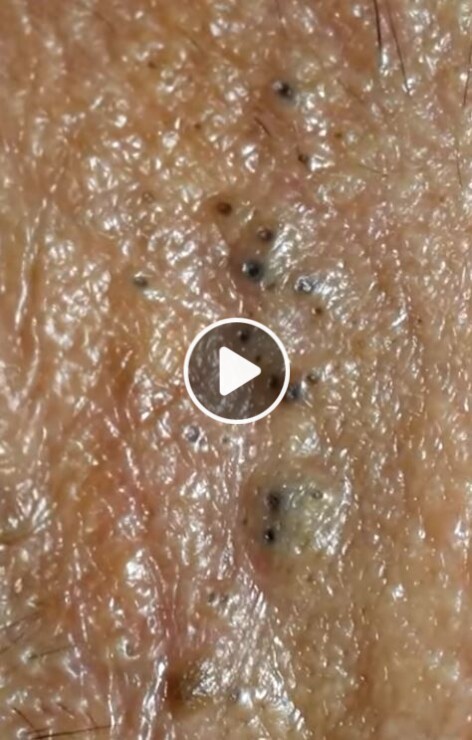
Video 1
Video 2
Video 3
Whiteheads, also known as closed comedones, form when a hair follicle becomes obstructed by a mixture of sebum and keratinized skin cells while the pore opening remains closed. Within the pilosebaceous unit, sebaceous glands continuously produce sebum to support skin barrier function. When follicular keratinization becomes abnormal, dead skin cells are shed irregularly and accumulate inside the follicle. As sebum mixes with these retained cells, the material becomes trapped beneath the surface. Because the pore opening is sealed, the contents are not exposed to air, which prevents oxidation and gives whiteheads their characteristic flesh-colored or white appearance.
Several biological and environmental factors can contribute to the development of whiteheads. Androgen hormones stimulate sebaceous gland activity, increasing oil production during adolescence, menstrual cycles, and periods of hormonal fluctuation. Genetics may influence both sebum output and the tendency toward clogged pores. Skincare habits also play a role. Heavy or occlusive products can trap debris within follicles, while inadequate cleansing may allow buildup of sunscreen, makeup, and environmental pollutants. At the same time, over-cleansing or aggressive exfoliation can impair the skin barrier, leading to irritation and compensatory oil production that may worsen comedonal acne. Humid climates and prolonged friction from masks or tight clothing may further contribute to follicular blockage.
Unlike inflammatory acne lesions, whiteheads initially involve minimal inflammation. However, if bacteria proliferate within the clogged follicle or if the lesion is manipulated, inflammation may develop and progress into papules or pustules. Repeated squeezing or picking can damage the follicular wall, increasing the risk of post-inflammatory hyperpigmentation or scarring. Maintaining skin barrier integrity is therefore an important part of safe management.
Evidence-informed treatment strategies focus on normalizing cell turnover and preventing pore obstruction. Topical retinoids are commonly recommended because they regulate follicular keratinization and promote more consistent shedding of skin cells, reducing the formation of new whiteheads over time. Over-the-counter retinoids may be appropriate for mild comedonal acne, while prescription formulations may be considered for persistent cases. Salicylic acid is frequently used for whiteheads because it is oil-soluble and can penetrate into the pore lining, helping to dissolve accumulated debris. Consistent, gentle use may improve both whiteheads and blackheads without excessive irritation.
Benzoyl peroxide is typically more useful for inflammatory acne but may be included when whiteheads coexist with red, inflamed lesions. Niacinamide may support treatment by helping to regulate sebum production and strengthen the skin barrier, which can reduce irritation from active ingredients. Gentle cleansing twice daily with a non-comedogenic cleanser can remove excess oil without stripping the skin. A lightweight, non-comedogenic moisturizer remains important even for oily skin, as adequate hydration supports barrier repair and may reduce rebound oiliness. Daily sunscreen use is also essential, particularly when using retinoids or exfoliating acids that increase sun sensitivity.
Professional treatments may be considered if over-the-counter skincare does not provide sufficient improvement. Dermatology-guided chemical peels containing salicylic acid or other exfoliating agents may help clear persistent clogged pores. In some cases, a trained professional may perform careful comedone extraction using sterile techniques to minimize tissue damage. For individuals with moderate to severe acne, prescription medications may be recommended after clinical evaluation.
Whiteheads are a common and manageable form of acne, but improvement typically requires consistent care over several weeks. Immediate or aggressive attempts to remove lesions can increase the risk of inflammation and scarring. Because acne patterns vary by individual, those experiencing persistent, widespread, or treatment-resistant breakouts should consult a qualified healthcare professional for personalized assessment and guidance.